

CONTACT
BIO
Arian Christiaens (1981) has been working as a photographer and photography teacher in Belgium since graduating as a Master in Photography at KASK Ghent in 2004.
In 2019 she published her first artist book ‘Xenia’ in collaboration with Jurgen Maelfeyt (Art Paper Editions, APE, BE). The book was presented with a solo show at RIOT Ghent, it was nominated for the Arles Photobook Prize 2019 (FR), got a four star review at ‘De Standaard’ newspaper and was on show at FOMU (Photomuseum Antwerp, BE).
The lockdown in 2020 was the context of the work ‘Home’, a series of 58 family portraits. Christof Ruys made a podcast on the social relevance of the series and a selection of the images was published in ‘De Standaard’.
In 2022 Christiaens was nominated for ‘.tiff Emerging Belgian Photography’ by FOMU. ‘In Camera’ was on view this summer at the Photomuseum Antwerp and at Vlaams Cultuurhuis Brakke Grond in Amsterdam during Unseen. The artist book ‘In Camera’ was published in december 2022 with APE (Art Paper Editions).
In Camera was recently nominated for the PhMuseum Photography Grant 2023.
Christiaens examines ideas of photographic and familial gazes, recontextualising family images and the photographic genre in a way that resonates with ideas of a reclamation of sites of photography. It’s multi-layered work where family, photographic, and gender-based narratives overlap with material ideas of the photographic image.
Colin Pantall, 2022
What do photos tell us about the people we love, about the people we relate to? What do photos tell us about ourselves, and about how we relate to the other? Does photography bring us closer to the other? These are the questions that Christiaens asks herself in her work, each time through a personal and intimate narrative about family and relationships.
The medium with which she does that, photography, is also questioned. Is the lens a window into the other? Or rather a mirror for ourselves and our desires? What changes when the photographer steps into the image and becomes a subject also?
Whether it’s documenting her sister who used to be her brother, portraying her own family during the pandemic or looking for overlaps and differences in her own story and that of her mother, what Christiaens is trying to do is to create an image of herself in relation to the other, and of the other in relation to her.
Stefan Vanthuyne, 2022
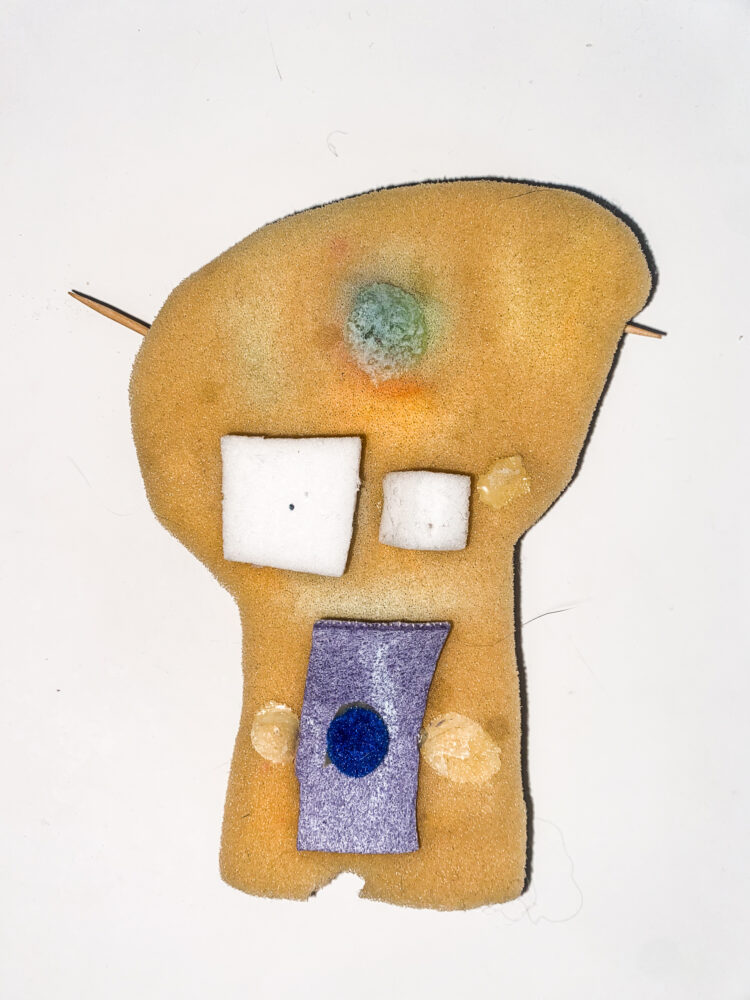
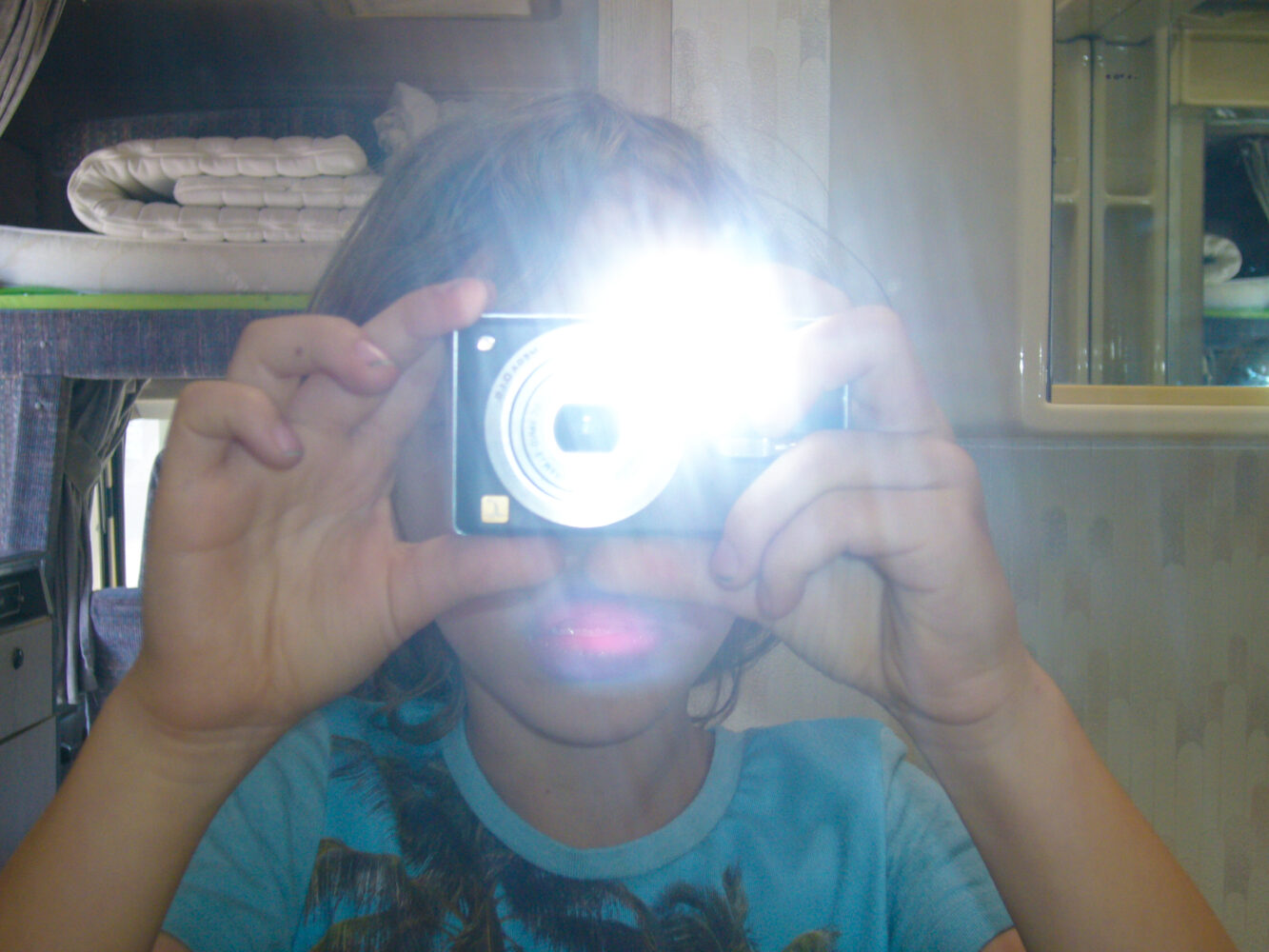
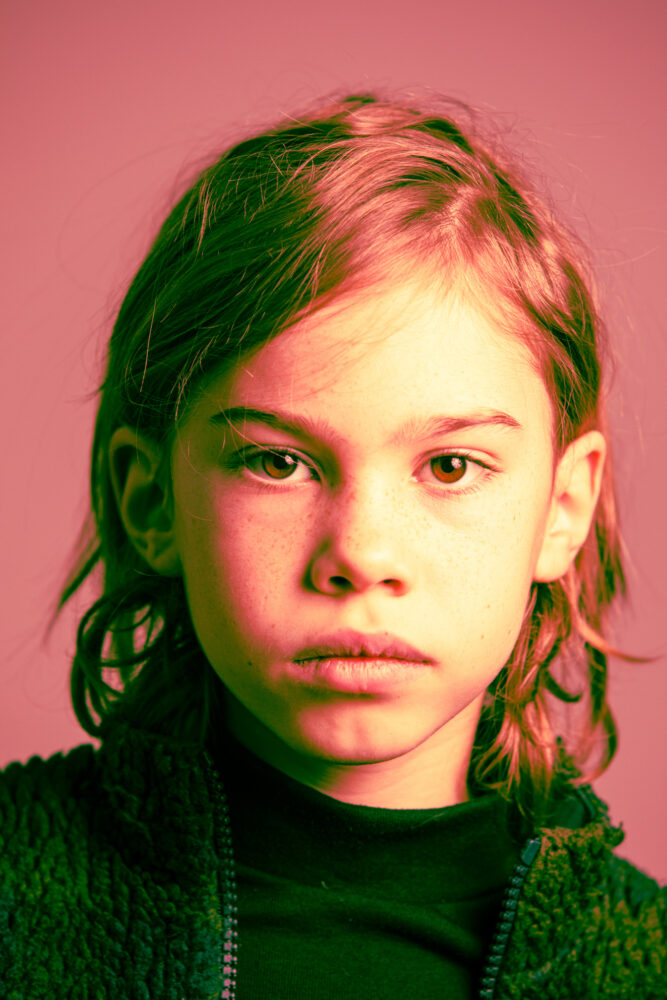
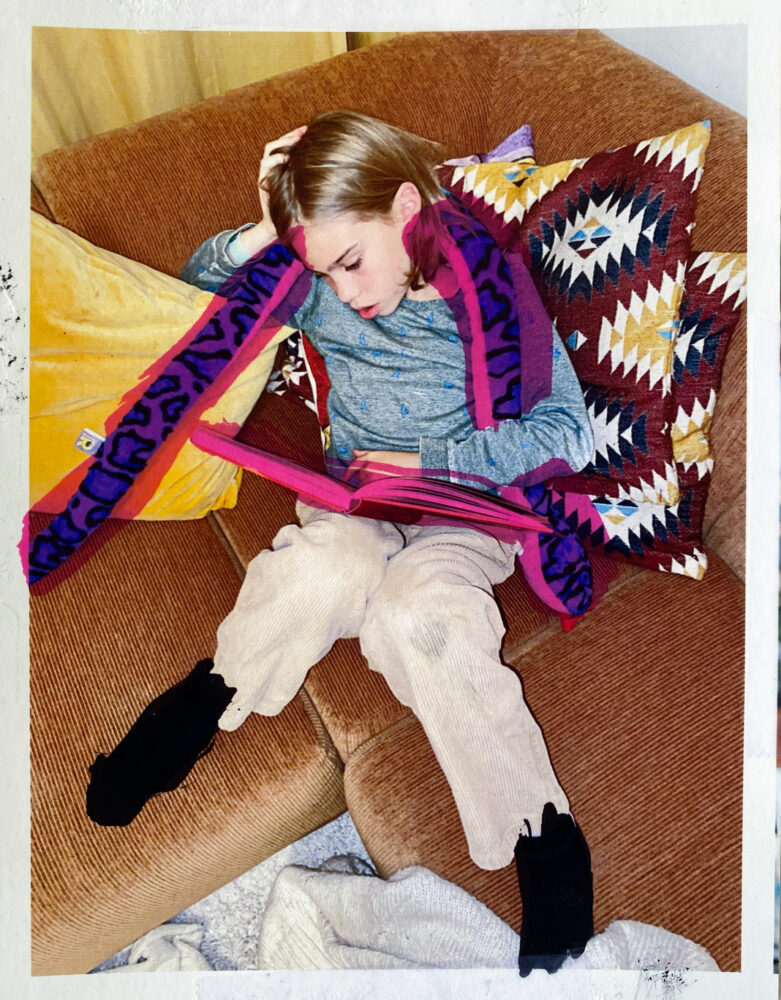
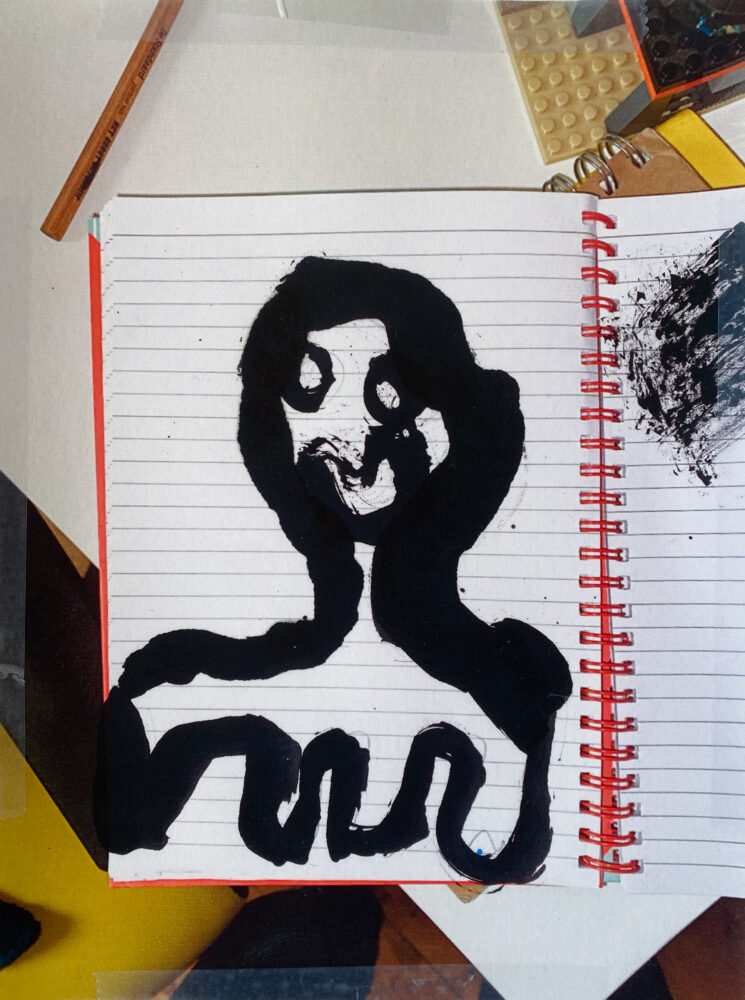
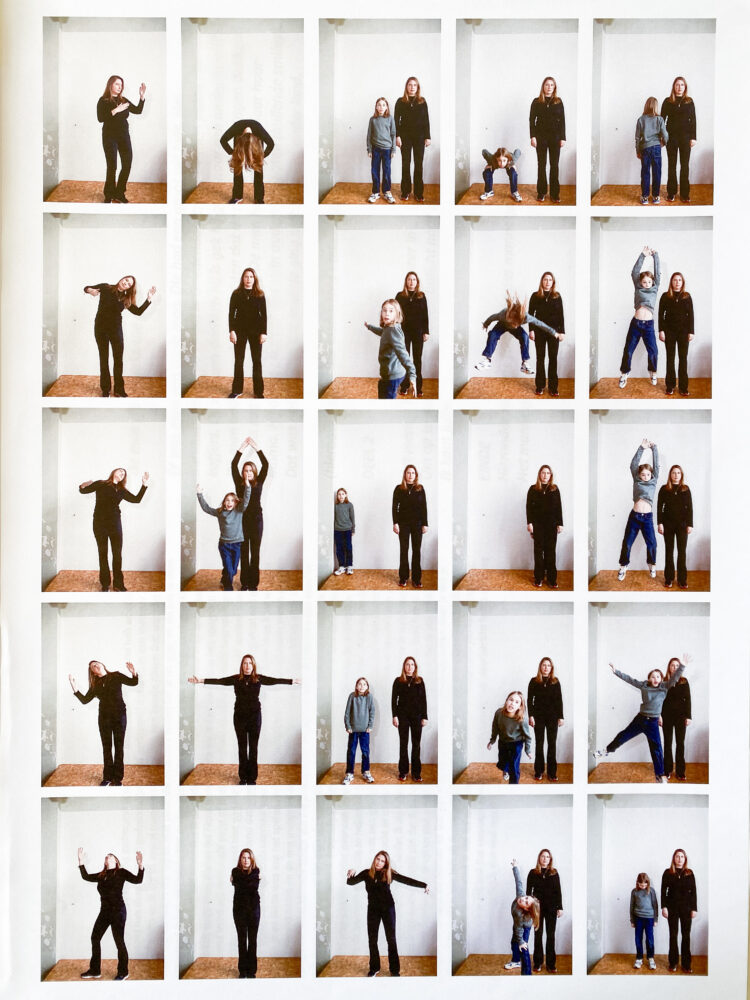
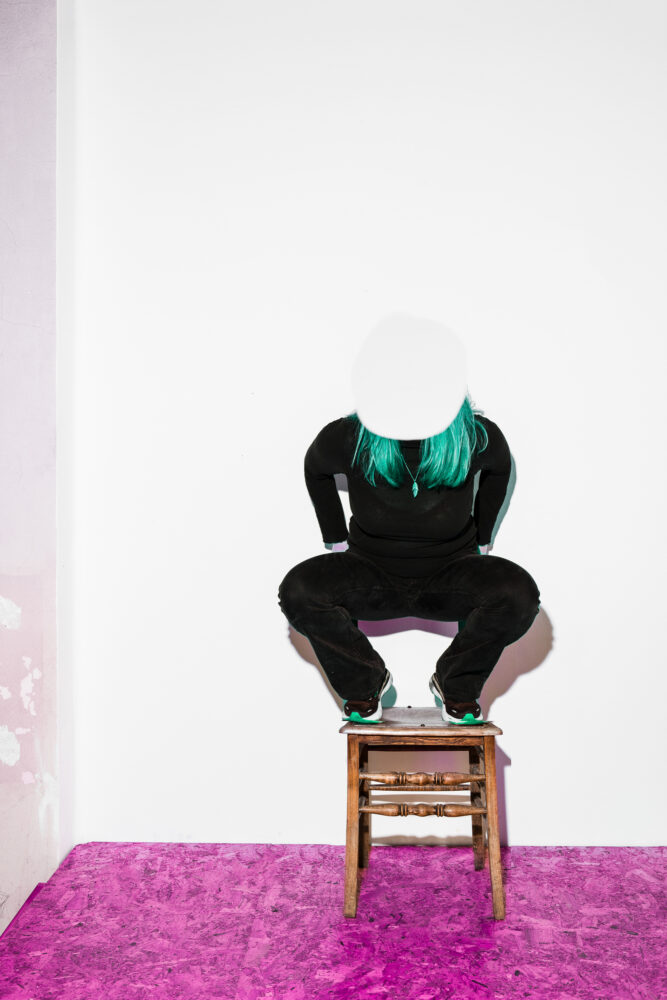
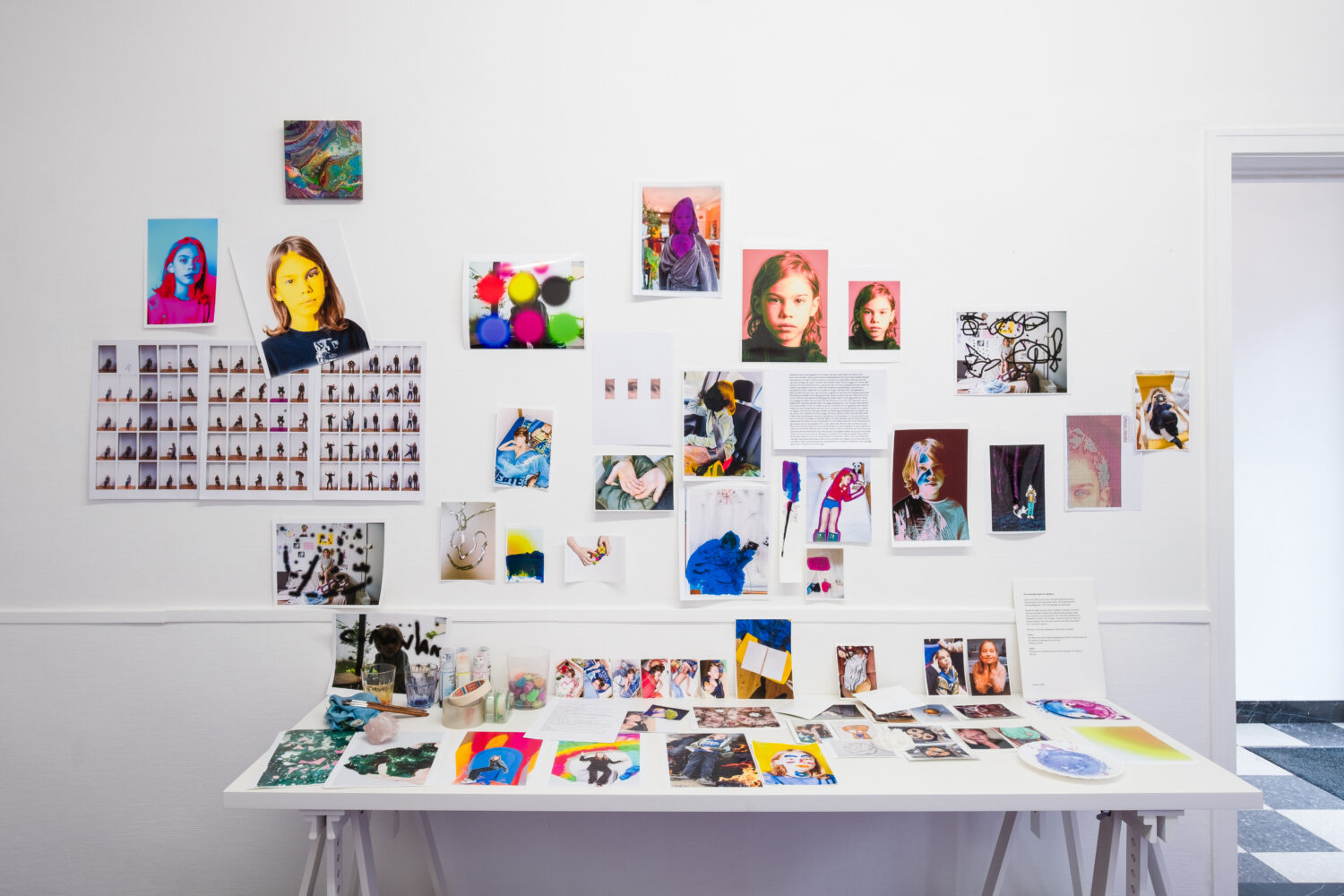
‘Maybe what’s repeated doesn’t look the same’ is a personal and intimate story that is slowly taking shape. The project marks a slight shift in Arian’s work, with her increasingly handing over the making process and working very intuitively. Together with her son, Arian explores the dynamics between maker and subject, between authorship and letting go of it, and how the ‘gaze’ and interpretation in (portrait) photography are affected. She establishes a physical and mental frame within which a reflection arises on the construction of identities, relationships, and the medium an sich. Initially, photography stands between Arian as photographer and Conan as model, but soon shifts start to take place and traces of an experimental investigation emerge. For Arian, as a mother, handing over authorship and giving Conan space to develop his own identity is an act of trust. Conan is given the freedom to help decide how he is portrayed. Arian sometimes leaves her place behind the camera, stepping into the picture with him. Mother and son search for forms to express themselves, forms that go far beyond the initial photographic idea and the classic forms of (portrait) photography. Conan experiments with new media such as AI, video, collage, sculpture and performance. For a child, there are no boundaries between these disciplines. The power of (childlike) imagination and a casual playfulness are overwhelming. Just as nightmares and growing up in our reality can be. What is normal and what is not? What is worth showing and what is not, and who decides? What gives meaning or madness? Arian, on the other hand, engages in more tactile methods such as analogue photography, crochet, embroidery, painting and drawing. With these ‘slow’ methods of working, she allows chance, time and fragility to bring the work to another level where the value of photography, or art in general, is questioned. Does the medium affect the value of the work? How decisive is the technical aspect, and how dictating are maker and subject?
Together, Conan and Arian create a world that questions dreams and reality, bringing them together and making them collide. The crazy, monstrous, fearful and uncontrollable broiling alongside the joyful, expressive, unconscious and mundane. At the same time, a tension emerges between what is casual and what is structured. The child does and plays and the adult thinks and plans, or not? Can it also be the other way around? Or at the same time?Sometimes their paths cross, other times they walk right past each other. Exploratively, Arian and Conan build an extensive archive of (edited) images and a special bond. Arian initiated an idea without knowing which direction it would take, a direction that is still exploring all roads. Maybe what’s repeated doesn’t look the same’ therefore refers to a process that repeats and translates itself time and again in other forms. – Lien Van Leemput 2024